
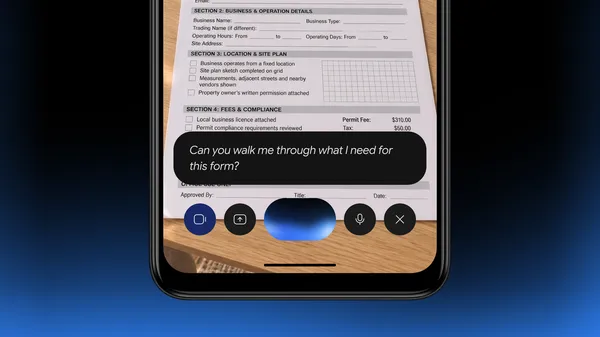
The Gemini app is now available on lower-memory Android devices.
Overview
Google has strategically broadened the accessibility of its Gemini AI app, making it available to a significantly wider range of lower-memory Android devices. This move is more than a simple update; it represents a deliberate effort to democratize advanced AI capabilities, pushing features like Gemini Live and custom image creation beyond the exclusive realm of high-end smartphones. By optimizing for less powerful hardware, Google is directly addressing a vast, previously underserved market, ensuring that the benefits of its flagship generative AI are accessible to millions more users globally. This expansion signals a pivotal shift in how leading AI models are deployed, emphasizing reach and inclusivity over hardware exclusivity.
Industry Impact
The decision to support lower-memory Android devices carries substantial implications across the AI and mobile industries. For Google itself, it solidifies Gemini's position as a ubiquitous AI assistant deeply integrated into the Android ecosystem, potentially increasing user engagement, data collection for model refinement, and strengthening its competitive edge against rivals. This push for broad compatibility forces other AI developers and platform providers to reassess their own optimization strategies; the expectation for advanced AI features to run smoothly on mainstream devices will only grow. Competitors, from other LLM providers to device manufacturers, may find themselves pressured to innovate in efficiency or risk ceding significant market share to Google's pervasive AI. Furthermore, this broadens the target demographic for AI-powered applications, encouraging developers to consider resource-efficient designs for their own innovations. The shift suggests that future AI success will increasingly depend on optimizing for performance across a diverse hardware spectrum, rather than solely relying on bleeding-edge computational power.
Why It Matters
For builders, founders, and product developers in the AI space, Google's move offers a critical strategic lesson: the future of AI adoption is mass market accessibility. This expansion highlights the immense value in optimizing AI solutions for efficiency and broader device compatibility. Founders should view this as a clear signal that the next frontier for growth isn't just about raw computational power, but about intelligent, lean deployment that reaches millions more users. Developing AI applications that are performant and impactful on budget-friendly hardware opens up enormous untapped markets, particularly in emerging economies where high-end devices are less prevalent. It challenges the assumption that cutting-edge AI features must be tethered to premium hardware, instead championing a future where sophisticated AI enhances the lives of everyone, regardless of their device's price point. Building for this extended user base means greater data diversity, stronger network effects, and ultimately, a more robust and resilient product offering.
Key Takeaways
- Google's Gemini app now extends to millions of lower-memory Android devices.
- This democratizes advanced AI features, including Gemini Live and custom image creation.
- The move emphasizes optimization and accessibility as key drivers for AI adoption.
- It opens significant new market opportunities for AI app developers and founders.
- Google solidifies its strategic commitment to pervasive mobile AI integration.