
How to Humanize AI Text: Make ChatGPT Content Sound 100% Natural
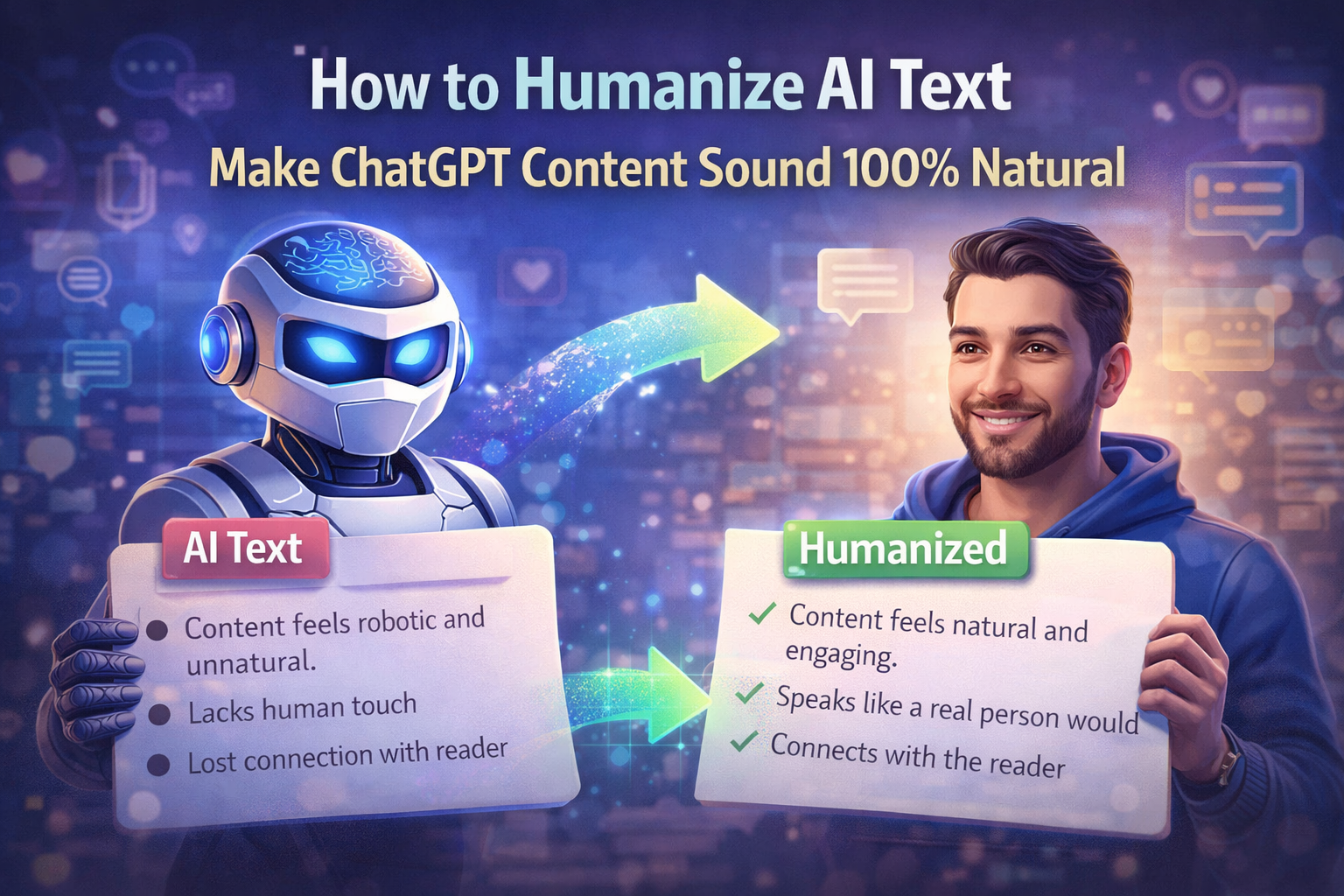
The Challenge of the Digital Echo
We've all seen it: that slightly repetitive, overly formal, and distinctively "AI-sounding" text. While ChatGPT is a revolution in productivity, its default output often lacks the nuance and rhythm of human speech. To stand out in a future saturated with synthetic content, learning how to humanize your text is no longer optional—it's a survival skill.
1. Break the Robotic Pattern
AI tends to use predictable sentence lengths and structures. Humans, on the other hand, vary their rhythm. They use fragments. They use long, flowing descriptions. To fix this, you can use the Hemingway Editor to identify complex sentences that need a more conversational touch. Aim for a mix of short, punchy statements and more descriptive narratives.
2. Inject Real Personality
Generic AI text often plays it too safe. To add flavor, infuse your writing with specific anecdotes or unique perspectives. If you are drafting longer narratives, tools like Sudowrite can help you expand on sensory details that feel lived-in rather than calculated. Remember, the goal isn't just to convey information, but to connect with the reader.
3. The Professional Polish
Once you've adjusted the tone, it's vital to ensure the grammar feels natural. While Grammarly is excellent for correctness, pay close attention to its tone suggestions to ensure you aren't sounding too academic when you should be approachable. For those who need to ensure their content bypasses strict filters, utilizing Undetectable AI can help bridge the gap between machine-generated and human-written styles.
4. Verify with AI Detectors
Before you hit publish, it's a smart move to verify your work. High-stakes content should be checked through Originality.ai to see how it scores against modern detection algorithms. If your score is low, go back and add more personal voice, slang, or intentional sentence variety to humanize the flow.
Embracing the Hybrid Future
Humanizing AI text isn't about hiding the use of technology; it's about refining the output to serve human readers better. By combining the speed of AI with the unique creative spark only a person can provide, you create content that truly resonates in the digital age.